3 min read
🌿 Ackee: Jamaica’s National Fruit with a Complex Legacy
🌿 Ackee: Jamaica’s National Fruit with a Complex Legacy
🌿 Ackee: Jamaica’s National Fruit with a Complex Legacy
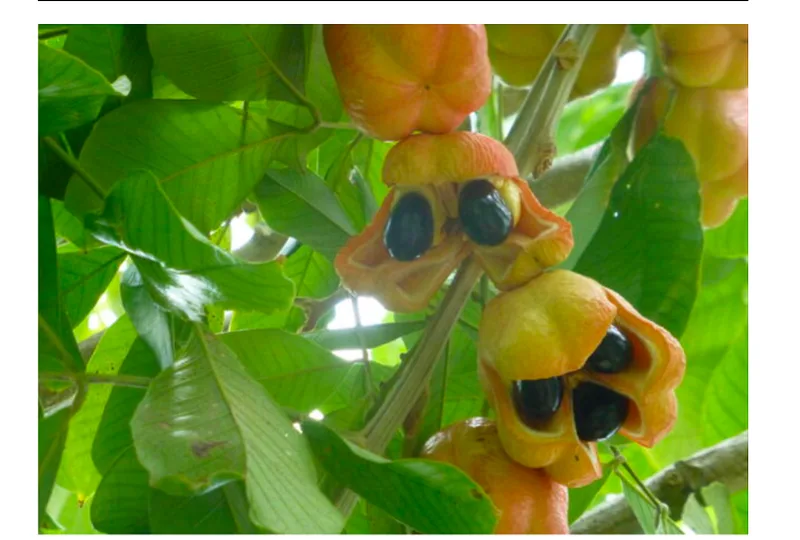
The ackee (Blighia sapida) is more than just a fruit in Jamaica—it's a symbol of national pride, a culinary staple, and a testament to the island's complex history. While it holds a cherished place in Jamaican culture, ackee's journey from West Africa and its unique characteristics make it a subject worth exploring.
🌍 Origins: From West Africa to the Caribbean
Native to tropical West Africa, particularly Ghana, ackee was introduced to Jamaica in the 18th century, likely transported aboard slave ships during the transatlantic slave trade. By 1778, it had taken root in Jamaican soil. In 1793, Captain William Bligh brought ackee from Jamaica to England, leading to its scientific classification and broader recognition.
 Today, ackee thrives across Jamaica, especially in regions like Clarendon and St. Elizabeth, and has been embraced as the national fruit, integral to the country's identity.
⚠️ Understanding Ackee's Toxicity
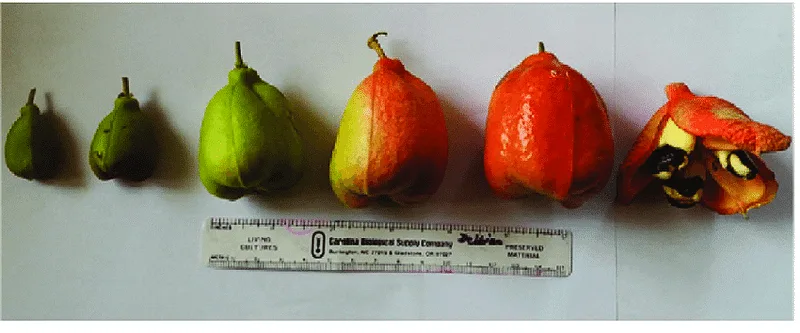
Ackee contains hypoglycin A and B, toxins that can cause severe hypoglycemia and even death if consumed improperly. These toxins are present in high concentrations in unripe fruit, seeds, and the red inner membranes. However, as the fruit ripens and naturally opens—a process known as "smiling" or "yawning"—the levels of hypoglycin A in the edible arils decrease significantly, making them safe to eat when properly prepared.
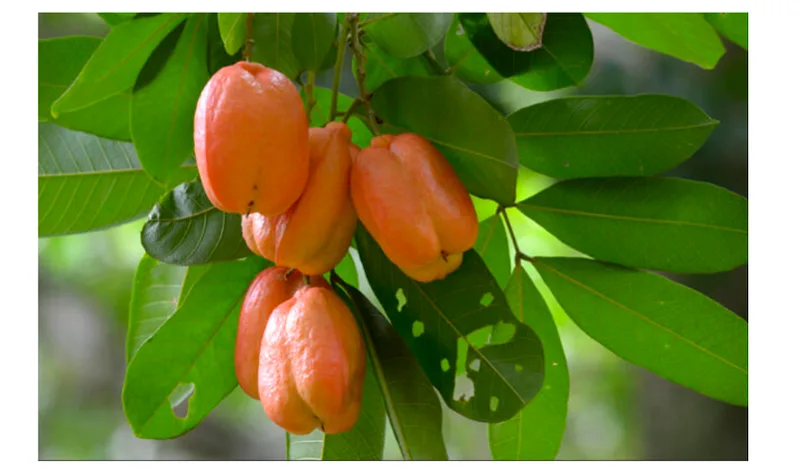 Consuming unripe ackee can lead to "Jamaican vomiting sickness," characterized by vomiting, hypoglycemia, and in severe cases, coma or death. Therefore, it's crucial to ensure that ackee is fully ripe and properly prepared before consumption.
🥣 Culinary Preparation: From Tree to Table
Selecting and Preparing Ackee:
-
Harvesting: Only use ackee that has naturally opened on the tree. Forced opening can indicate the fruit is unripe and potentially toxic.
-
Cleaning: Remove the black seeds and the red or pink membranes (raphe) from the arils.
-
Cooking: Boil the cleaned arils in water for at least 10–20 minutes. Discard the water afterward, as it may contain residual toxins.
Culinary Applications:
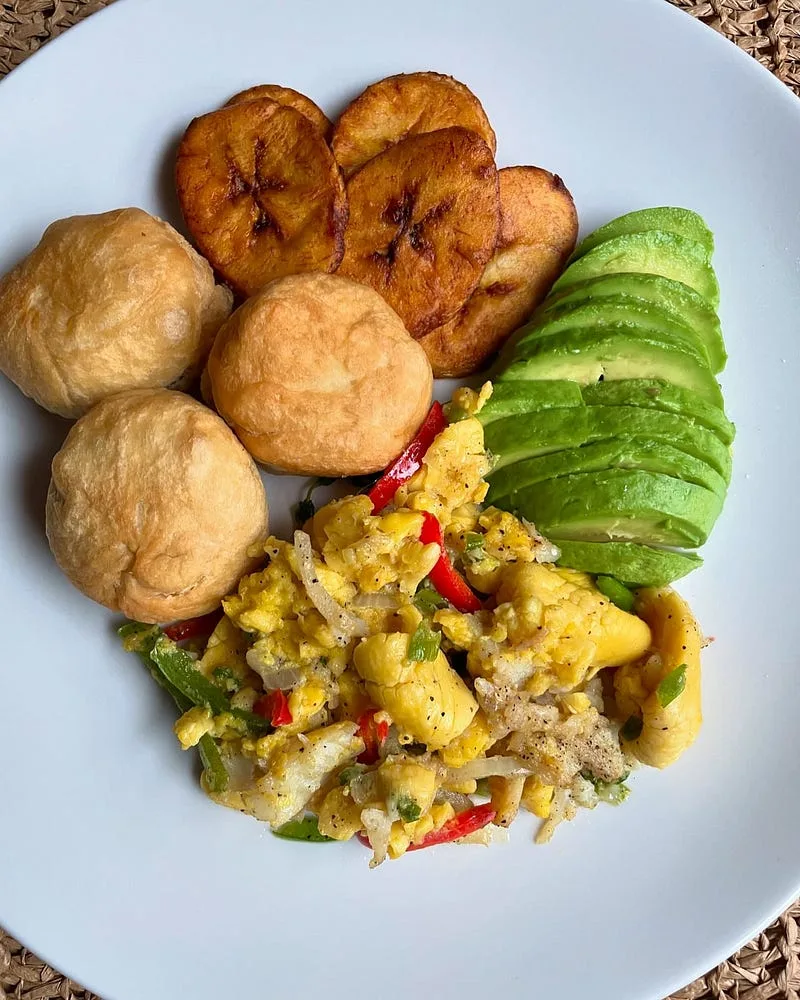 The most renowned dish is ackee and saltfish, where boiled ackee is sautéed with salted codfish, onions, tomatoes, Scotch bonnet peppers, and spices. This dish is traditionally served with accompaniments like fried dumplings, boiled green bananas, or breadfruit.
✅ Nutritional Benefits and Considerations
Pros:
Rich in Nutrients: Ackee is a good source of essential fatty acids, vitamin C, niacin, calcium, iron, and dietary fiber.
Supports Digestive Health: The high fiber content aids in digestion and promotes regular bowel movements.
Cultural Significance: As Jamaica's national fruit, ackee holds cultural and historical importance, symbolizing the nation's heritage.
Cons:
Toxicity Risk: Consuming unripe ackee or improperly prepared arils can lead to severe health issues, including Jamaican vomiting sickness.
Preparation Caution: Proper identification of ripeness and thorough preparation are crucial to ensure safety.
🌱 Cultivation and Availability
Ackee trees thrive in Jamaica's tropical climate, particularly in regions like Clarendon and St. Elizabeth. The evergreen trees can grow up to 10 meters tall and produce fruit year-round, with peak seasons typically from January to March and October to November.
📝 Final Thoughts
Ackee's journey from West Africa to becoming Jamaica's national fruit is a testament to the island's rich cultural tapestry. While its potential toxicity necessitates caution, proper preparation allows for safe consumption and enjoyment of this unique fruit. Whether you're savoring ackee and saltfish for breakfast or exploring its culinary versatility, ackee offers a distinctive taste of Jamaican heritage.
For more detailed information on ackee's history, preparation, and safety guidelines, consider exploring resources from the FDA, Wikipedia, and Jamaican Information Service.
By Willy London on April 23, 2025.
Exported from Medium on April 10, 2026.