6 min read
Jamaica’s New Aged Vehicle Policy: A Step Backward or Smart Move?
Jamaica’s New Aged Vehicle Policy: A Step Backward or Smart Move?
Jamaica’s Aged Vehicle Import Policy: A Comprehensive Analysis
Jamaica’s New Aged Vehicle Policy: A Step Backward or Smart Move?
Jamaica’s Aged Vehicle Import Policy: A Comprehensive Analysis
Introduction
Jamaica’s government is moving to reintroduce an aged vehicle import policy that permits the importation of used vehicles up to 10 years old for cars and 15–20 years old for buses intended for the public transport sector. This marks a significant relaxation from previous import age limits, which were generally 5–6 years for cars, and is aimed at helping public passenger vehicle (PPV) operators replenish their aging fleet. Given that over 90% of Jamaica’s PPV fleet is older than 15 years, the policy is presented as a solution to make replacement vehicles more accessible. However, this move has sparked debates regarding its economic, environmental, safety, and infrastructural implications.
A crucial question is: Why revert to a policy that we had previously moved away from? If reducing the age of vehicle imports was once considered necessary for progress, why is the government now reversing this decision? The reasoning behind this change appears questionable, and it raises concerns that this may be more of a political maneuver than a well-thought-out transport policy. Instead of improving infrastructure and modernizing transportation, we may be taking a step backward, introducing more vehicles onto roads that are already underdeveloped and overburdened.
This article evaluates whether the policy makes sense for Jamaica and serves the public interest by examining its economic impact, environmental implications, safety and infrastructure concerns, and how it compares with practices in other countries. We also consider political motivations behind the policy and explore alternative strategies for a sustainable transport system.
1. Economic Impact
More Cars, But Not Enough Roads
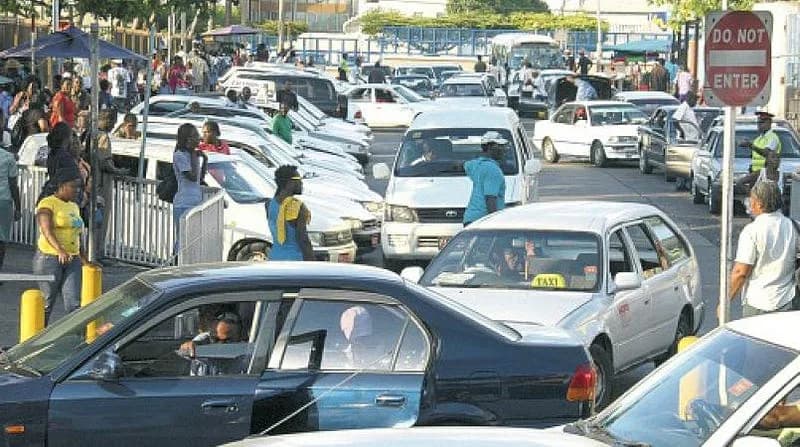
While allowing older used vehicles may make acquiring vehicles cheaper upfront, the fundamental issue is Jamaica’s inadequate road infrastructure. Adding more vehicles to an already congested road network without expanding and upgrading roads will only make traffic worse. Kingston, Montego Bay, and other urban centers already experience severe gridlock during peak hours, and rural roads remain in poor condition, riddled with potholes and deteriorating surfaces.
Instead of simply increasing the supply of vehicles, a smarter policy would focus on expanding and improving roadways, building new highways, and upgrading existing routes before facilitating more car imports. Without better roads, cheaper vehicles will only increase congestion, extend commute times, and further deteriorate road conditions due to the influx of older, less-efficient vehicles.
The Political Angle: A Short-Term Fix?
This policy change is suspiciously timed and appears to be aimed at appeasing public transport operators who have long complained about the high cost of acquiring new vehicles. Given that transport workers represent a large, vocal constituency, this move may be more about gaining political favor than about sustainable transport planning. The fact that Jamaica had previously moved away from allowing older imports suggests that this is not a progressive step forward but a reactionary decision, possibly made to calm discontent ahead of elections or other political events.
If the government is serious about improving transport, why not invest in dedicated bus lanes, overhead pedestrian and cyclist bridges, and other traffic management solutions instead of just flooding the roads with more vehicles?
2. Infrastructure & Traffic Concerns
The Danger of More Vehicles Without More Roads
One of the biggest problems with the policy is that Jamaica’s roads are not designed to handle an increasing number of vehicles. Many of our roadways were built decades ago when traffic volumes were lower. Since then, car ownership has skyrocketed, but road infrastructure has not kept pace.
Key infrastructure issues that this policy ignores:
- No dedicated bus lanes: Public transport vehicles contribute significantly to congestion. Implementing dedicated bus lanes would improve efficiency and reduce gridlock.
- Lack of pedestrian and cyclist safety: More vehicles mean more risk for pedestrians and cyclists. Overhead bridges and protected bike lanes should be a priority.
- Poor traffic management: Traffic signals, roundabouts, and intersection designs need upgrading to accommodate increased vehicle flow. Without these improvements, the additional cars and buses imported under this policy will clog up already failing infrastructure, leading to slower commute times, more fuel consumption, and increased frustration among road users.
Public Transport Should Be the Focus
Instead of facilitating more private car imports, the government should invest in an efficient, modern public transport system. Cities around the world have demonstrated that fewer cars on the road, not more, is the key to solving traffic congestion.
Possible solutions include:
- A well-regulated, expanded bus system: More reliable, punctual buses would encourage people to leave their cars at home.
- Train services: Investing in commuter rail services, even on a small scale, could significantly reduce the strain on roads.
- Park-and-ride facilities: Designated lots outside city centers where commuters can park and switch to buses or trains.
3. Road Safety Implications
More Old Cars = More Accidents?
Older vehicles generally have outdated safety features and higher failure rates. With more old vehicles on the road, accidents could increase, putting more pressure on hospitals and emergency services. Traffic fatalities in Jamaica remain a serious issue, and allowing more vehicles with weaker brakes, poor structural integrity, and outdated technology only makes the roads more dangerous.
4. The Case for Electric Vehicles (EVs)
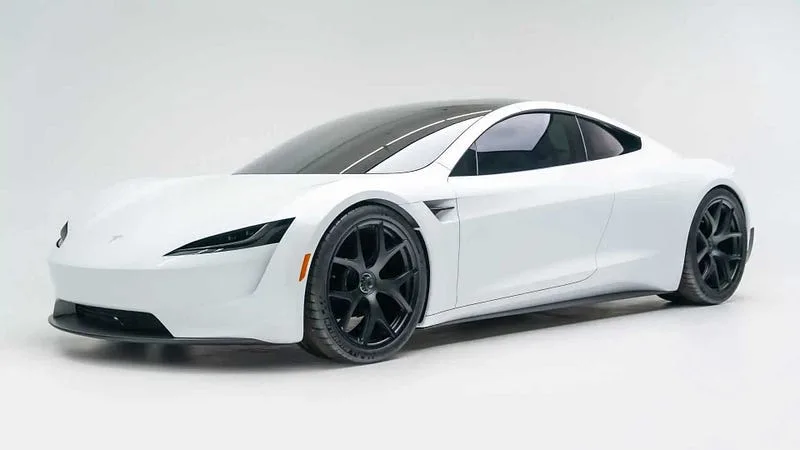 One positive move by the government is reducing import duties on electric vehicles (EVs) to just 10%, significantly lower than the standard duties on gas-powered vehicles. This is a step in the right direction and encourages cleaner, more sustainable transportation. EVs produce zero tailpipe emissions, reducing Jamaica’s air pollution and dependence on fossil fuels.
If the government is willing to incentivize EVs, why not take this approach with newer fuel-efficient vehicles as well? Instead of allowing much older vehicles, reducing duties on cars that are five years old or newer could balance affordability with sustainability and keep emissions in check.
5. Alternative Policies and Recommendations
If the goal is to improve transportation, the solution is not just cheaper vehicles — it’s better infrastructure and smarter transport planning. Here’s what Jamaica should consider instead:
- Massive Road Infrastructure Investment: Prioritize road expansion, repairs, and new highways before increasing the number of cars.
- Dedicated Bus Lanes: Establish separate lanes for public transport to make bus travel faster and more efficient.
- Overhead Pedestrian and Cyclist Bridges: Improve safety for non-motorized road users and ease pedestrian traffic congestion.
- Encourage Newer, More Efficient Vehicles: Instead of allowing very old imports, lower duties on newer models to encourage cleaner, safer cars.
- Expand Train and Public Transport Options: Reduce dependence on road traffic by offering alternative transport modes.
Conclusion
Jamaica’s aged vehicle import policy seems more like a quick political fix than a long-term transport strategy. It does not address the core problem — Jamaica’s road network is inadequate, and simply adding more vehicles will only make things worse.
Instead of taking a step backward, the government should focus on modernizing infrastructure, expanding public transport, and creating smarter traffic management solutions. The 10% import duty on EVs is a great step forward, and similar incentives should be applied to newer, cleaner vehicles rather than importing older, high-emission cars.
Jamaica deserves a forward-thinking transport policy, not one that reintroduces old problems under the guise of progress. The priority should be building better roads and implementing effective traffic solutions, not just making cars cheaper.
By Willy London on March 15, 2025.
Exported from Medium on April 10, 2026.