5 min read
Why Are JPS Bills So High? The Struggle of Jamaicans to Afford Electricity
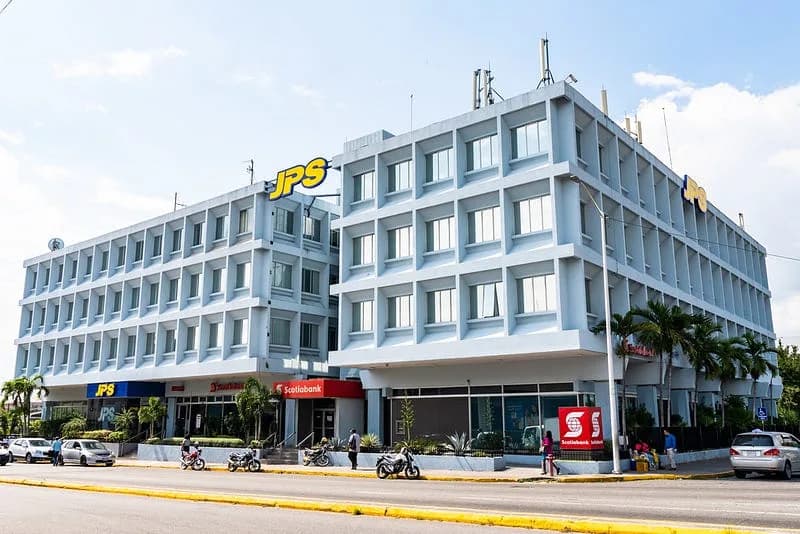
Why Are JPS Bills So High? The Struggle of Jamaicans to Afford Electricity
Jamaica Public Service (JPS) and the Burden of High Electricity Costs: A Cry for Justice
Why Are JPS Bills So High? The Struggle of Jamaicans to Afford Electricity
Jamaica Public Service (JPS) and the Burden of High Electricity Costs: A Cry for Justice
There is a small house nestled in the quiet community of Bamboo Walk in Retreat, St. Mary. An elderly man lives there alone, accompanied only by the hum of his refrigerator, the occasional churn of his washing machine, and a small pump he turns on when the water pressure drops. Some days, there is no water in the pipes at all — sometimes for weeks — but that is another story.
Until recently, the house was home to two other individuals — a mother and her daughter. They both passed away within a month of each other, one in September and the other in October. Yet, despite the drastic reduction in occupancy and electricity usage, the monthly Jamaica Public Service (JPS) bill has remained unchanged — an unrelenting $22,102.12.
Repeated calls to JPS have yielded the same response: “The meter readings are correct.” According to them, the smart meter, installed around the same time the exorbitant bills began, provides precise measurements of electricity usage. But how can a house that once supported three people generate the same bill when it now shelters only one? How does an elderly man, living alone with only the essentials, continue to be charged such an unforgiving amount?
This situation is not unique. Across Jamaica, countless individuals are feeling the crushing weight of their electricity bills, unable to find relief from JPS’s bureaucratic indifference. Many have taken to social media, expressing frustration over shockingly high bills and unresolved discrepancies. The government, which retains a 19.9% stake in JPS, benefits from the company’s profits, leaving many to wonder — who truly represents the interests of the people?
The Struggle is Real: Why Some Resort to Stealing Electricity
It is no surprise that more people are turning to illegal connections as an act of financial survival. When faced with a choice between food, rent, and an electricity bill that rivals a mortgage payment, many feel forced into a system where ‘lightmen’ — unlicensed electricians — connect homes to the grid for a fraction of what JPS demands.
One woman in St. Andrew admitted that she once paid her bill faithfully but, after seeing consistent and unexplained increases, decided to take matters into her own hands. “Being too honest in this country doesn’t pay,” she remarked, reflecting the sentiments of many who feel backed into a corner.
In Kingston 11, an illegal electrician charges a one-time fee of $35,000 JMD to connect homes to the JPS grid, plus an additional $10,000 JMD for repairs if the wire burns out. He insists that his work is safer and more reliable than JPS’s service. He sees himself as a hero to struggling families, offering them a basic necessity at a fraction of the cost imposed by the legal provider.
This situation presents a vicious cycle: As more people steal electricity, JPS passes those losses onto paying customers, further increasing bills and forcing more people into illegal connections. Instead of addressing the root cause — unaffordable electricity rates — JPS and the government have chosen to crack down on electricity theft, punishing those who feel they have no other choice.
The Reality Behind JPS’s Profits
JPS is a monopoly, and its financials tell a troubling story. In 2022, JPS reported over US$1 billion in revenue. That same year, its net profits climbed to US$54.4 million. By 2023, profits surged to nearly US$68 million — the highest in a decade. While customers struggle to pay their bills, JPS and its foreign shareholders — Marubeni of Japan and Korea East-West Power (EWP) — continue to reap millions.
The company justifies its high electricity rates by citing fuel costs, infrastructure upgrades, and efforts to reduce electricity theft. However, these excuses do little to comfort the thousands of customers who feel they are being squeezed dry. The government’s dual role as part-owner and regulator creates a conflict of interest — one that leaves customers without a true advocate.
Solutions: What Needs to Change?
- Independent Meter Audits — Customers should have the right to challenge high bills and request independent inspections of their smart meters without the burden of excessive fees.
- Fair Billing Adjustments — If electricity consumption drops drastically, bills should reflect that change. JPS should not be allowed to charge customers based on faulty estimations.
- Government Accountability — The Office of Utilities Regulation (OUR) must step in to impose stricter regulations on JPS, ensuring transparency and fair pricing.
- Renewable Energy Expansion — Greater investment in renewable energy, including solar and wind, could lower costs and reduce dependence on fossil fuels. Customers should be given tax breaks or incentives to install solar panels.
- Prepaid Metering Options — A wider rollout of prepaid electricity meters could help consumers control their spending and avoid surprise bills.
- Legalization of Microgrids — The government should explore allowing communities to develop independent solar-powered microgrids, reducing reliance on JPS.
The Pain of Paying JPS
 Jamaicans are tired. Tired of calling customer service only to be met with indifference. Tired of watching their bills climb while their usage remains steady. Tired of hearing JPS executives defend their profits while ordinary people are left in darkness.
An elderly man in Bamboo Walk should not have to choose between food and electricity. A struggling single mother should not have to resort to illegal connections just to keep the lights on for her children. JPS was meant to be a provider of energy, yet for many, it has become a source of stress, anxiety, and financial strain.
This is not just about electricity. It is about fairness. It is about dignity. And it is about time something changes.
Will the government listen? Will JPS finally acknowledge the burden it places on the people it is meant to serve? Or will Jamaicans continue to suffer under a system that prioritizes profits over people?
Something has to give. The people are watching. And they are waiting.
By Willy London on March 13, 2025.
Exported from Medium on April 10, 2026.